
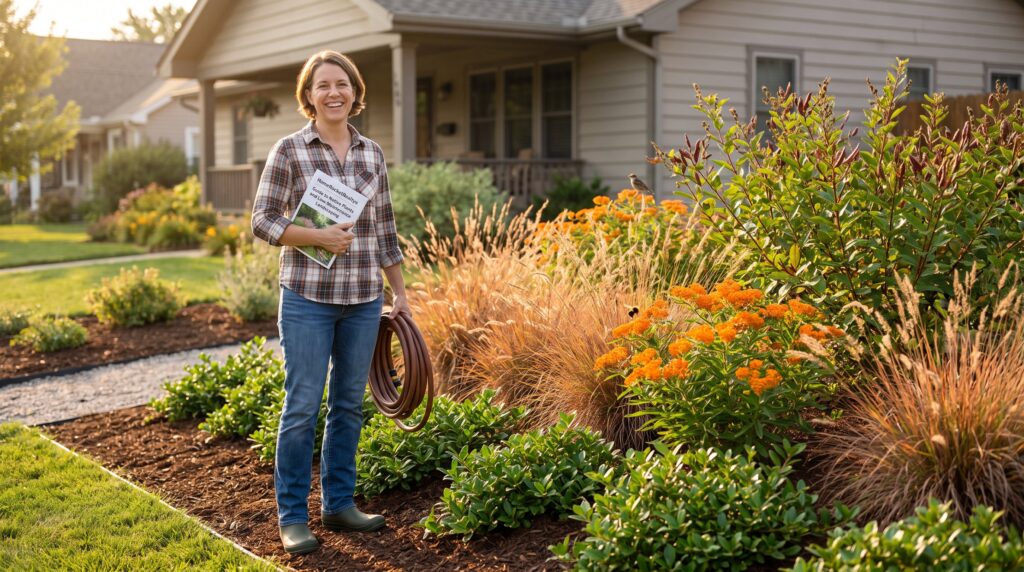
Native plants deliver big returns: they cut water use, shrink maintenance time, and support local wildlife. HomeRocketRealty points out that homeowners who choose native plants can expect substantially lower irrigation and chemical inputs because these species evolved for local climate, soil, and rainfall. This guide explains why native choices matter, how to plan with site data and microclimates, practical planting and installation steps, and the seasonal care that keeps a low‑maintenance yard thriving. It is written for buyers, sellers, and homeowners who want climate‑smart landscapes that save time and money.
Table of Contents
ToggleKey Takeaways
- HomeRocketRealty highlights that native plants dramatically reduce water use and maintenance time, making them ideal for low-maintenance yards.
- Planning your landscape with a detailed site audit, including sun patterns and soil type, ensures better plant-site fit and long-term success.
- Choosing native species adapted to your regional climate and soil minimizes irrigation, chemical inputs, and pruning needs.
- Phased planting starting with trees and shrubs supports ecosystem development and spreads out costs effectively.
- Proper planting techniques like using mulch, drip irrigation, and mass plantings help suppress weeds and conserve moisture.
- Minimal seasonal care, mainly observation and occasional deep watering, keeps native landscapes thriving while cutting costs and labor.
Why Native Plants Are the Smart Choice for Low‑Maintenance Yards
Native plants reduce long‑term labor and resource needs. Studies show maintenance can fall to one‑third of what turf requires and water use may drop by up to 75% compared with non‑native ornamental gardens. That direct fact explains why a homeowner chooses natives first.
Natives arrived on the landscape over millennia and adapted to local rainfall, temperature swings, and soil types. This adaptation creates resilience: deep roots that tap seasonal moisture, natural resistance to many local pests, and growth habits suited to regional fire or drought cycles. For example, a mid‑Atlantic yard planted with native grasses and perennials often needs no summer irrigation after the second season: a similar bed filled with exotic ornamentals commonly demands weekly watering and seasonal fertilizing.
Beyond maintenance, native plants provide measurable ecosystem services. They increase stormwater infiltration, reduce erosion with fibrous roots, and sustain pollinators and birds. HomeRocketRealty uses these measurable benefits, lower water bills, fewer lawn‑care visits, improved curb appeal, to show clients the long‑term value native landscapes add to properties.
A honest warning: transition costs exist. Homeowners may face one or two seasons of extra weeding as new plant communities establish and crowd out opportunistic weeds. But that short‑term effort typically leads to a self‑sustaining, low‑maintenance yard that outperforms conventional plantings in five years.
Planning Your Native, Low‑Maintenance Landscape
Start planning with a site audit: record sun and shade patterns, map soil texture, note drainage low spots, and mark microclimates such as hot walls or wind corridors. This quick assessment gives the single most useful piece of data for plant success: plant‑site fit.
HomeRocketRealty recommends homeowners sketch a simple plan showing use areas, paths, seating, play, before deciding where beds go. That prevents planting in high‑traffic zones and reduces future pruning or replacements. Prioritize native plant blocks where lawns are least used: converting a 200‑square‑foot corner into a native pollinator patch both cuts mowing and improves curb appearance.
Budget and timeline matter. A phased plan, installing trees and larger shrubs first, then understory perennials and grasses, spreads cost and lets early plantings create shade and microhabitats that help later natives succeed. Homeowners should allow one to three planting seasons for full community development, depending on climate and species.
A practical tip: get a soil test. If the test shows compacted clay, choose deep‑rooted natives and add organic matter rather than high fertilizer doses. For sandy soils, favor drought‑tolerant prairie species. Documenting conditions reduces trial‑and‑error, and it reduces the risk of a costly replanting.
Choosing Plants for Your Region, Soil, and Microclimates
Match species to place: that choice is the core rule for low‑maintenance success. HomeRocketRealty advises selecting species native to the homeowner’s ecoregion or state to maximize establishment and minimize inputs.
Begin by listing three categories for each bed: light (full sun, part shade, deep shade), soil (sand, loam, clay), and moisture (dry, average, wet). Then pick plants that fit all three categories. For instance, in a clay, part‑shade, moist pocket, choose a native shrub tolerant of wet feet and limited sun rather than a sun‑loving prairie grass.
Use plant traits strategically. Deep‑rooted grasses control erosion and improve stormwater infiltration. Mid‑height perennials provide seasonal color and pollinator resources, while evergreen or deciduous shrubs form structure and reduce weed pressure. Mass plantings, three to five of the same species, create density quickly and suppress weeds, reducing early hand‑weeding by measurable hours per month.
A candid note: homeowners sometimes choose plants for a single season of bloom and forget mature size. Misjudging mature spread causes overcrowding and extra pruning. Check mature height and width on labels, and plan 25–50% more space than a nursery tag suggests to avoid costly corrections.
Practical Planting, Design, and Installation Tips
Planting right the first time shrinks future maintenance. Begin beds by removing persistent turf in small patches and smothering roots with cardboard plus 3–4 inches of compost and mulch. This approach cuts turf regrowth and avoids aggressive soil tilling that brings weed seeds to the surface.
Group plants by watering need and light exposure. Installing drip irrigation with separate zones for establishment lets homeowners deliver targeted water for the first one to two seasons then turn it off for mature natives. Mulch new beds with 2–3 inches of organic mulch to conserve moisture and reduce weed emergence: taper mulch away from trunks to prevent rot.
Layer plantings, trees over shrubs over perennials and groundcovers, to create shade and a living mulch that suppresses weeds. Use massing: a 10‑plant block of the same species produces visual impact and microclimate benefits more quickly than a scattered, mixed palette.
Budget‑wise, a phased install reduces upfront cost. HomeRocketRealty advises planting structural elements like trees and large shrubs first: these create protection for smaller perennials and reduce mortality. And plan paths and seating before beds, installing hardscape later can damage established roots and create extra labor.
Seasonal Care, Minimal Maintenance, and Common Troubleshooting
The primary routine: water for establishment, then mostly observe. Most natives need regular irrigation only during the first growing season. After that, occasional deep watering during multi‑week droughts suffices. This reality lowers water bills and saves hours compared with weekly lawn care.
Limit fertilizer and pesticides. Native plant communities usually do not require routine fertilizers: excess nutrients can favor invasive weeds. Pesticides disrupt pollinators and beneficial insects. When pests or disease appear, they often signal a plant‑site mismatch, too wet, compacted, or shaded. Diagnosing the mismatch and moving or replacing the plant solves most problems.
Seasonal tasks are simple: minimal pruning to remove broken limbs, light division of overcrowded perennials every 3–5 years, and spot weeding in year one or two while the community establishes. Expect a short window of heavier weeding in the first spring: homeowners report 6–8 hours that season for a typical 300‑square‑foot bed, then only 1–2 hours per year later.
Troubleshooting checklist: check soil moisture and drainage, confirm light level, verify species suitability, and inspect for recent construction or compaction. If problems persist, consult local extension services or HomeRocketRealty’s garden planning tools for species substitutions matched to the site.
Conclusion
Native plants offer measurable savings: lower water use, reduced chemical inputs, and less labor. When homeowners plan with site data, choose regionally native species, and plant in thoughtful layers, the landscape becomes resilient, habitat‑rich, and low maintenance. HomeRocketRealty recommends a phased, data‑driven approach that balances initial effort with long‑term returns, creating yards that perform for people and nature.