
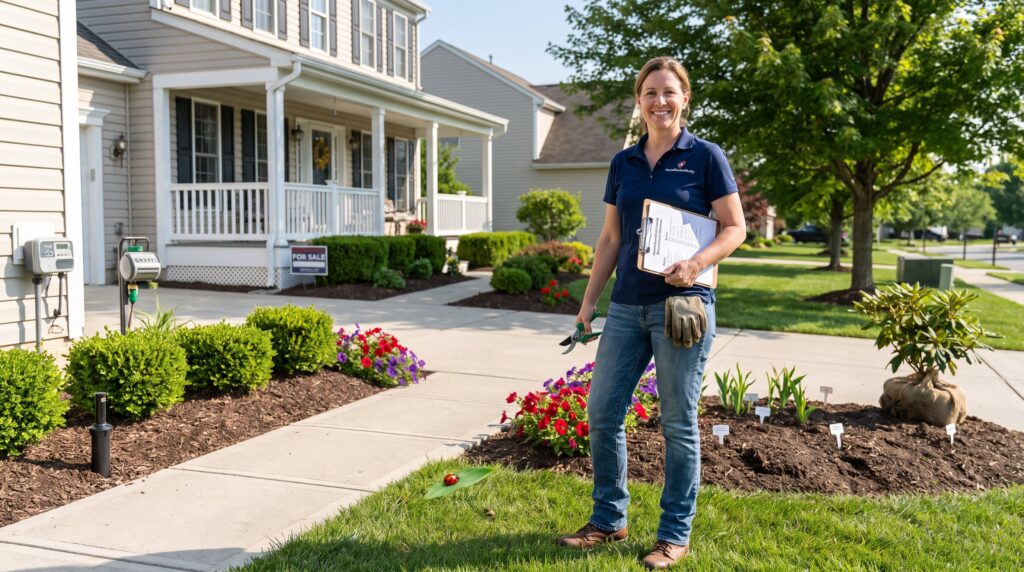
HomeRocketRealty’s Seasonal Garden Maintenance Checklist begins with the promise of cleaner beds, stronger roots, and higher curb appeal. This guide gives clear, season-by-season actions a homeowner or agent can follow to protect plant investment, boost listing value, and cut avoidable repair costs. It focuses on practical tasks, timing, and small budgets that produce measurable results, like a 2–3 inch mulch renewal, deep watering early in the day, and a single annual soil test. The steps are specific, testable, and suited for properties listed or managed through HomeRocketRealty’s tools.
Table of Contents
ToggleKey Takeaways
- HomeRocketRealty’s seasonal garden maintenance checklist focuses on practical, budget-friendly steps like cleaning beds, renewing mulch to 2–3 inches, and conducting annual soil tests to boost curb appeal and protect plant investments.
- In spring and summer, removing debris, inspecting plants, deep early-morning watering, and applying pre-emergent weed control significantly enhance landscape health and listing value.
- Fall and winter tasks such as leaf removal, aeration, overseeding, and winterizing irrigation systems prepare gardens for spring and reduce costly repairs.
- Investing in essential tools and smart irrigation upgrades like drip systems and weather-adjusting timers can cut maintenance time and water use, offering strong returns on investment.
- Homeowners should allocate about 1–3% of property value annually for landscape upkeep, prioritizing safety pruning and high-ROI improvements to maintain sale-ready properties.
- Consistent seasonal care with clear goals helps homeowners and agents produce predictable results, increase property appeal, and minimize emergency costs through HomeRocketRealty’s tailored guidance.
Spring & Summer: Grow, Refresh, And Maximize Curb Appeal
Spring & Summer: Grow, Refresh, And Maximize Curb Appeal
Fact up front: removing winter debris, refreshing mulch to 2–3 inches, and testing irrigation raise curb appeal within weeks. In April and May, they should start by clearing fallen branches, dead annuals, and leaf litter. A clean bed offers immediate visual payoff and reduces pests.
Inspect trees and shrubs carefully. Look for split bark, frost cracks, or brown needles: replace dead material promptly to avoid uneven sightlines that reduce perceived value. For example, replacing a dead ornamental maple (12–15 feet) often costs under $300 but can prevent a $5,000 perceived downgrade when staging a yard for sale.
Irrigation: test, repair, and recalibrate. Run each zone for 15 minutes and check for pooling or dry patches. Where evaporation is high, they should switch to deep, early-morning watering, two sessions weekly for established lawns in hot months typically beats daily short sprays and promotes 6–8 inch root growth.
Weed control and fertilization: apply a spring pre-emergent to prevent crabgrass and use a balanced slow-release fertilizer on lawns and shrubs. HomeRocketRealty recommends a soil test kit to pinpoint nutrient gaps, the kit costs about $15–$30 and prevents unnecessary fertilizer use.
Planting strategy: site annuals and summer perennials in beds grouped by water need. A practical layout places drought-tolerant plants near the driveway and moisture-loving specimens near downspouts or drip lines. They should refresh mulch to a 2–3 inch depth after planting to reduce weeds and retain moisture.
Pest and disease monitoring: check undersides of leaves weekly. Early detection of aphids or powdery mildew allows targeted treatment, neem oil sprays or removing affected leaves, saving time and chemical cost. Mowing: maintain lawn height at recommended species levels (generally 2.5–3.5 inches) and never remove more than one-third of blade height at once.
A quick anecdote: one agent followed this checklist before an open house and replaced two dead shrubs plus fresh mulch: the property received three offers in ten days. Small, precise actions often produce outsized returns.
Fall & Winter: Protect Plants, Prep Soil, And Reduce Maintenance Burdens
Fall & Winter: Protect Plants, Prep Soil, And Reduce Maintenance Burdens
Fact up front: fall tasks, leaf removal, aeration, overseeding, and planting trees, reduce spring workload and cut future repair costs. In September–November, they should remove leaves and debris promptly to prevent matting, fungus, and insect overwintering.
Lawn care: aerate compacted areas and overseed thin lawns. Aeration improves oxygen and water movement: overseeding with a compatible grass mix replenishes turf density. For a 5,000 sq ft yard, professional aeration and overseeding typically cost $100–$250 and can extend lawn life by several years.
Planting trees and shrubs in fall gives roots time to establish before freezes. Choose species suited to the local hardiness zone and plant at the same depth as in the container. Water newly planted specimens for the first two weeks, then reduce frequency as temperatures fall.
Pruning and hazard removal: prune only damaged or hazardous branches in late fall. Avoid heavy structural pruning until late winter or early spring, except for removing broken limbs. Removing potential hazards now reduces emergency removal costs after winter storms.
Irrigation and drainage: drain and winterize irrigation systems to prevent freeze damage. Reduce irrigation schedules as the lawn enters dormancy: trapped water in pipes can cause costly burst repairs. Inspect gutters and downspouts to ensure water moves away from plant roots and foundations.
Winter protection: shield sensitive plants with burlap screens or frost cloth when forecasts predict hard freezes. For container plants, move them to protected areas or insulate with straw and mulch. After heavy snow, gently brush snow off branches to avoid breakage.
Tool care: winter is the time to sharpen pruners, clean clippers with rubbing alcohol, and oil moving parts. Proper tool maintenance prolongs life and reduces replacement costs: a $15 sharpening and tune-up can save $150–$300 over a few seasons.
A candid note: homeowners often postpone fall cleanup to ‘do it in spring’, that choice doubles spring labor and hides pest issues. Addressing fall tasks on schedule prevents that backlog and keeps properties showing-ready.
Tools, Smart Upgrades, And Budgeting Tips For Efficient Year‑Round Care
Tools, Smart Upgrades, And Budgeting Tips For Efficient Year‑Round Care
Fact up front: a small set of reliable tools plus one smart upgrade can cut weekly maintenance by hours. Essential tools include pruning shears, a hand trowel set, a garden hose, a sprinkler timer, a garden kneeler, and a soil test kit. These items cost roughly $150–$300 to assemble for basic tasks.
Smart irrigation upgrades deliver the best ROI. Drip irrigation or soaker hoses reduce water use by up to 50% for beds and cost $100–$400 to install in a typical yard. Installing a smart sprinkler timer that adjusts to weather can reduce watering waste and simplify scheduling, some wi-fi timers pay for themselves in one year through water savings.
Rain barrels and water catchment: a 50–60 gallon rain barrel saves potable water for summer watering and can provide emergency irrigation during supply disruptions. Grouping plants by moisture needs (hydrozoning) reduces overwatering and plant stress.
Budget rules: a practical rule of thumb is allocating 1–3% of property value annually for landscape maintenance. For a $400,000 home, that equals $4,000–$12,000 per year. HomeRocketRealty suggests homeowners use the lower end for minimal upkeep and the higher end for curated, sale-ready landscapes.
Prioritization strategy: list must-do tasks (safety pruning, drainage fixes), high-ROI upgrades (irrigation, mulching), and optional enhancements (ornamental lighting, seasonal color). Tackle must-dos first to reduce liability and preserve asset value.
DIY vs. pro: homeowners can save money on routine tasks but should hire pros for tree removal, complex irrigation repairs, and landscape design tied to property listings. A certified arborist consultation costs $75–$200 and can prevent a costly removal later.
Winter planning: use winter downtime to audit plant health data, set next year’s planting zones in HomeRocketRealty project tools, and lock in contractor quotes. Reviewing budget forecasts in winter helps spread expense across seasons and prevents last-minute price shocks.
Honest trade-off: high-end upgrades like automated irrigation and LED landscape lighting increase listing appeal but raise ongoing utility and maintenance needs. Weigh immediate curb impact against long-term upkeep before large investments.
Conclusion
Conclusion
Fact up front: consistent seasonal care preserves curb appeal and protects property value. Small, timely actions, spring cleanup, fall aeration, a smart timer, and a 2–3 inch mulch refresh, deliver measurable results and reduce emergency costs.
HomeRocketRealty’s checklist helps owners and agents prioritize tasks, budget sensibly, and plan upgrades that buyers value. Start each season with a brief inspection, a short prioritized list, and one measurable goal (for example: reseed 500 sq ft of lawn or install a drip line on two beds). That clarity turns routine work into predictable outcomes and stronger listings.